

 日本語
日本語
Japan’s globalization debate focuses on sending people out; the return trip is rarely designed for. Drawing on 30 years in Silicon Valley, this piece examines how institutional complexity becomes a decision cost — and what Japan loses when talent, capital, and knowledge stop circulating.
Category Archives: blog

04
Aug
Aug
The U.S. Social Security number and Japan’s My Number system serve different purposes, but both illustrate the benefits and risks of personal identifiers. This article explains why identification, authentication, authorization, and recovery must be designed as separate functions.

01
Aug
Aug
Preventing data breaches is essential, but what happens after information is exposed matters just as much. Drawing on more than 25 years in the United States, this article examines how individuals and companies can limit post-breach damage.
AI Trends, blog
AI Adoption Starts with Everyday Friction: Building a Chrome Extension to Track Claude Usage

27
Jul
Jul
Building a Chrome extension that surfaces Claude usage at a glance and taking it through to publication on the Chrome Web Store. AI adoption begins not with enterprise strategy but with the friction in front of you.
AI Trends, blog
From WordPress to Next.js and Supabase: Rebuilding a B2B Ordering Platform with an AI Agent

26
Jul
Jul
A B2B ordering site built on WordPress four to five years ago was migrated in full to Next.js and Supabase. What determined the outcome was not the AI agent implementation speed but the resolution of the requirements definition that preceded it.

24
Jul
Jul
A flood of bot traffic took an e-commerce site offline. A field report on using AI agents to diagnose the cause and block it at the CDN layer, cutting problematic traffic by roughly 70 percent in half a day.
AI Trends, blog
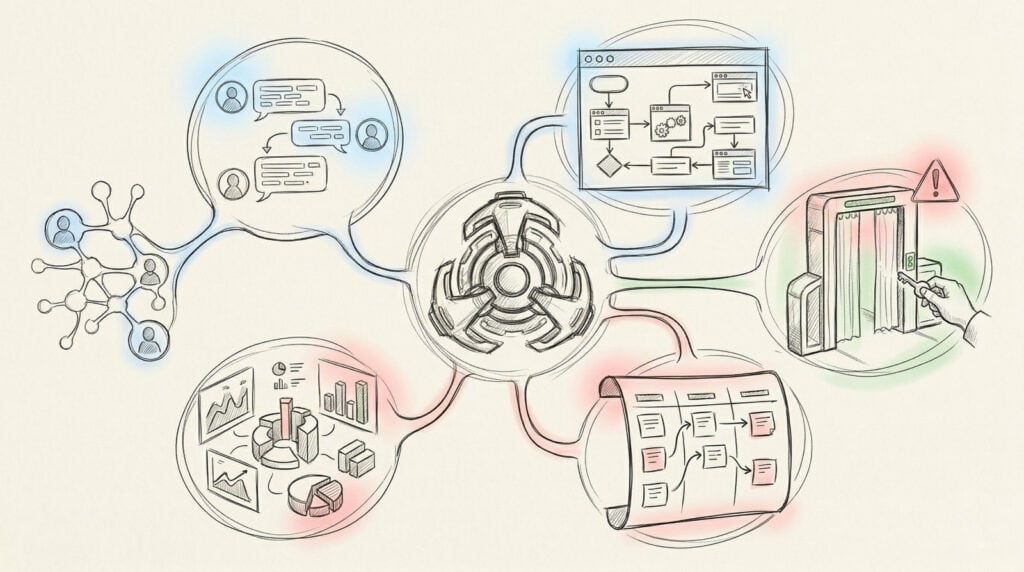
Four Weeks with OpenClaw: Who’s Ready, Who Isn’t, and What It Reveals About AI Agent Adoption
05
May
May
A four-week hands-on series with OpenClaw concludes with an honest verdict: genuinely useful for technically literate operators, premature for everyone else — and the distinction matters more than most AI coverage acknowledges.
AI Trends, blog
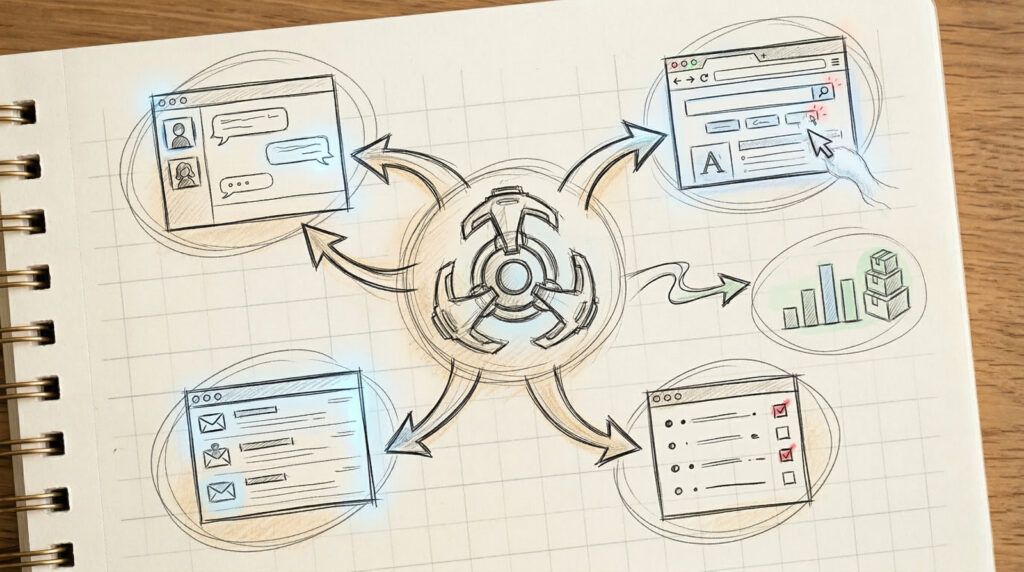
Where to Draw the Line: What OpenClaw’s Slack Integration and Browser Automation Revealed
28
Apr
Apr
Connecting OpenClaw to Slack started with a single private channel — nothing broader. What emerged from there: a morning briefing that arrives without prompting, and a QuickBooks restocking workflow that runs autonomously up to the moment of authentication. A field report on where the meaningful line sits.
AI Trends, blog
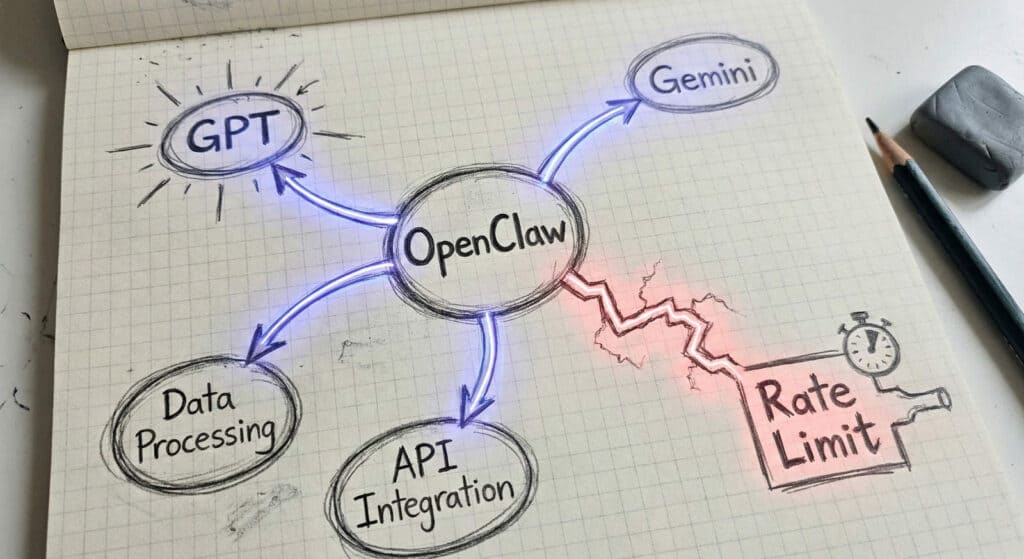
The Hidden Complexity Behind OpenClaw’s Setup: Multi-LLM Design and the Rate Limit Reality
21
Apr
Apr
OpenClaw is not the AI — it’s the hub that connects to whichever AI you choose. A field report on what you actually encounter after installation: LLM selection architecture, memory design, and the billing misunderstanding that catches most new users.
14
Apr
Apr
What does Silicon Valley’s AI agent boom actually mean for Japan — and for U.S. companies trying to understand the Japanese market? Shinya Fujimoto, founder of Silicon Valley Japan Lab, shares field observations from 25+ years operating across both sides of the Pacific.