

 日本語
日本語
For over 25 years, I have worked at the intersection of Silicon Valley and Japan — first as an engineer shipping software that crossed both markets, then as an advisor helping Japanese companies understand what is actually happening here, beneath the hype. That vantage point has taught me one thing above all: the technologies that reshape U.S. business operations rarely announce themselves as transformative. They just quietly make the old way of working feel slow.
OpenClaw, the AI agent platform currently generating significant attention in Silicon Valley circles, feels like one of those moments. And based on what I have seen Japanese organizations struggle with — and succeed at — over the past two decades, I think the implications for Japan are particularly worth examining.
Why This Matters More for Japan Than You Might Think
Japan has long excelled at operational precision — the discipline of kaizen, the culture of getting processes right. What has historically been harder to import from Silicon Valley is the willingness to let software handle judgment-layer decisions autonomously. The gap has not been capability; it has been trust.
AI agents like OpenClaw are designed around a different architecture than anything that came before. Rather than requiring users to navigate to a separate AI platform, OpenClaw embeds directly into the tools teams already use — Slack, LINE, and similar communication environments. The AI comes to where work already happens, not the other way around.
For Japanese organizations that have watched Silicon Valley’s AI tools require workflow disruption to adopt, this design philosophy represents a meaningful shift. The barrier is not the technology — it is asking people to change how they work. OpenClaw sidesteps that barrier almost entirely.
From Tool to Agent: What the QuickBooks Test Revealed
To move beyond theory, I ran a practical test using QuickBooks — the cloud accounting platform dominant in U.S. business, roughly analogous to freee or MoneyForward in Japan. This kind of cross-market translation is something I do often: understanding a U.S. tool through the frame of its Japanese equivalent helps both sides see what is actually new.
What was new here was significant. Given a single instruction, OpenClaw’s agent autonomously executed a full multi-step workflow:
- Launched a browser session and logged into QuickBooks
- Navigated to the reporting view and retrieved the relevant sales data
- Analyzed that data to identify trends and optimal reorder patterns
- Generated a draft purchase order email, ready for human review
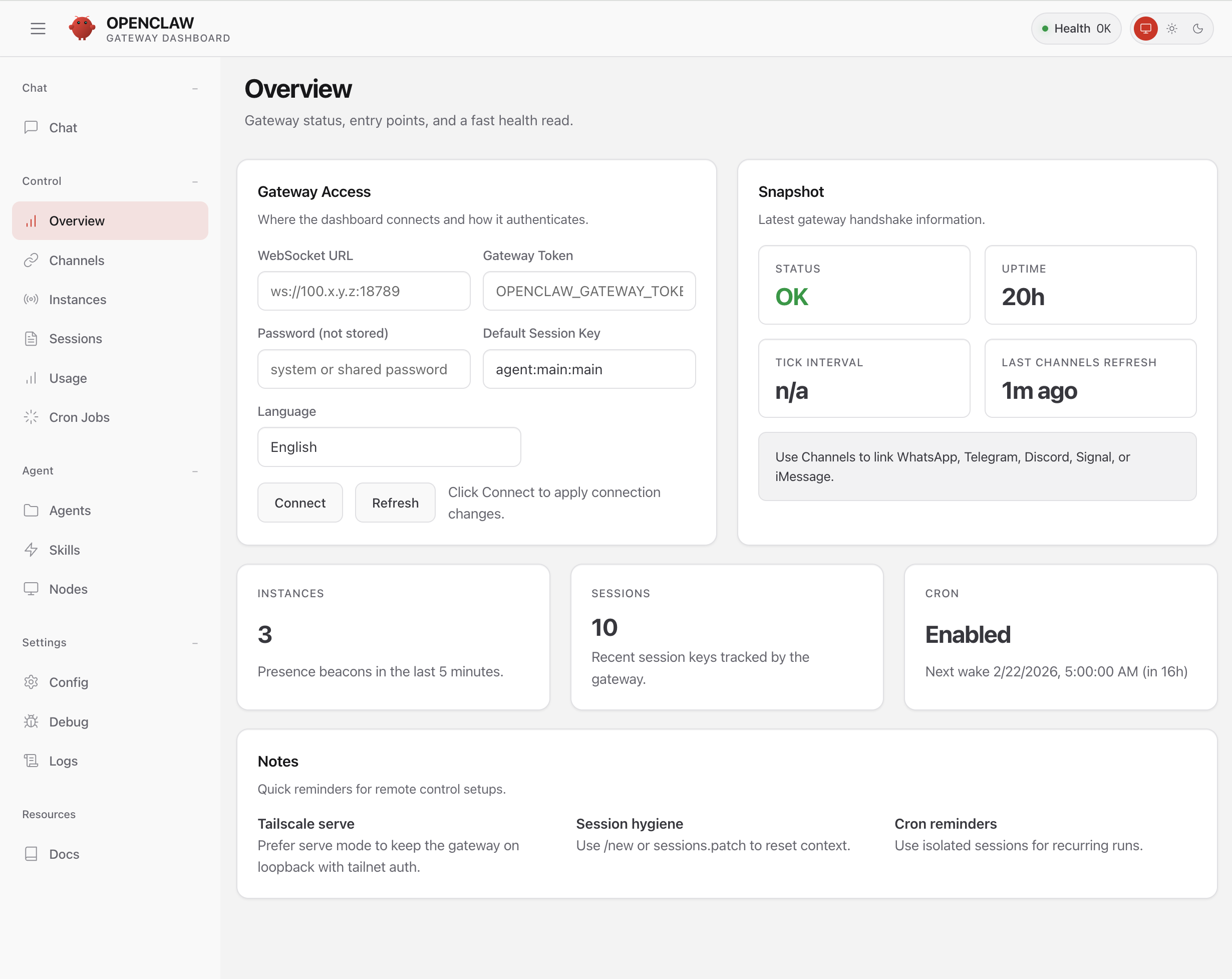
Throughout, I could review and adjust via chat while the agent handled the underlying work. This is not prompt-and-response AI. This is coordinated, multi-step execution — the kind of work that, in most Japanese companies I have worked with, currently requires a dedicated staff member and a careful process.
The Japanese concept of genchi genbutsu — going to see for yourself — applies here. Reading about AI agents is one thing. Watching one navigate software, retrieve data, and draft a business document autonomously is another experience entirely.
The Japan-U.S. Adoption Gap — and Why It May Be Closing
In my experience working with both U.S. startups and established Japanese enterprises, the pattern is consistent: U.S. companies adopt new software tools quickly, often before the tools are ready. Japanese companies adopt more slowly, but with deeper integration when they do.
A second test — connecting OpenClaw to Google Workspace (Gmail and Google Calendar) — showed what that deeper integration could look like in practice. Once configured, a consolidated briefing arrived in Slack each morning at 8:00 AM: overnight emails summarized, the day’s calendar laid out, current weather conditions noted. Incoming purchase orders were automatically detected, structured, and pushed to Slack in near real time.
For U.S. teams, this kind of automation is appealing. For Japanese operations teams — where inbox management and daily briefing preparation are often carefully structured rituals — the implications of removing that manual overhead are more profound. The question shifts from “can we automate this?” to “what do we do with the time and attention we recover?”
An Honest Assessment: Where the U.S.-Japan Gap Still Exists
I want to be direct about the current state, because I have seen too many technology waves land in Japan with unrealistic expectations.
OpenClaw, as it stands, requires meaningful technical fluency to deploy — comfort with terminal-based configuration, a working understanding of system permissions, and sound judgment around security architecture. These requirements make it, today, primarily accessible to engineering-led teams.
This is familiar territory. When cloud storage was emerging — Google Drive, Dropbox — the same pattern held. U.S. startups moved early; enterprise Japan moved carefully and deliberately. The careful movers often ended up with better implementations. The trust had to be earned incrementally, and that discipline paid off.
SaaS wrappers that lower the technical barrier are beginning to appear. But granting external services broad access to business systems warrants the same careful evaluation in 2026 that granting cloud access to sensitive documents warranted in 2012. The instinct to proceed thoughtfully is not a weakness — it is experience.
What Comes Next
The next installment in this series will cover the installation process on a Mac mini — including the configuration decisions involved and the troubleshooting issues that emerged during initial setup. All from direct experience, across both the technical and operational dimensions.
Silicon Valley Japan Lab has spent over two decades helping organizations on both sides of the Pacific understand each other’s technology landscape. AI agents represent the most significant shift in how knowledge work gets done that I have seen in that time. We will continue to track what it means — for U.S. organizations, for Japanese organizations, and for the growing number of companies operating in both worlds.
Shinya Fujimoto has been based in Silicon Valley for over 25 years, working across engineering and executive roles with companies in both the U.S. and Japan. He founded Silicon Valley Japan Lab to bridge the gap between what is happening in Silicon Valley and what Japanese organizations need to know to act on it.